

Tortoise for sale
How To Tell If You’re Prepared For Tortoises For Sale
Tortoises for Sale: A Comprehensive Guide to Choosing and Caring for Your New Pet
Tortoises are remarkable animals that have actually attracted the attention of family pet enthusiasts and animal fans alike. Understood for their slow motions and long lifespans, these reptiles can produce satisfying buddies. However, with various species offered for sale, possible owners must be educated before bringing a tortoise home. This article will provide insights into the various types of tortoises readily available, factors to consider for acquiring, and pointers for care and maintenance.
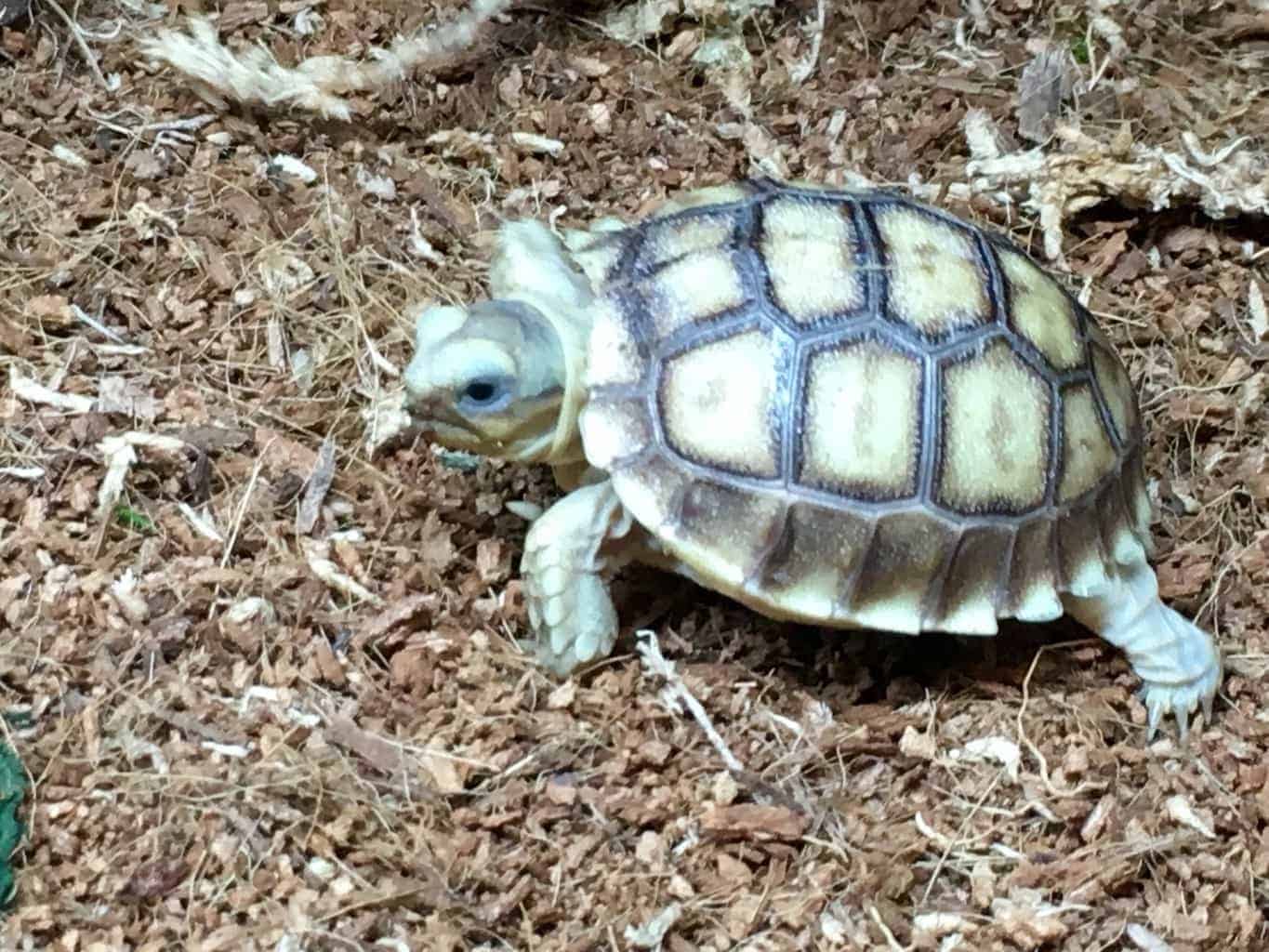
Understanding Tortoise Species
Before making a purchase, it’s vital to familiarize oneself with the various types of tortoises. Each species has unique needs, maximum size, and typical life-span, making it crucial for prospective owners to select a tortoise that fits their lifestyle.
Popular Tortoise Species for Sale
-
Russian Tortoise (Testudo horsfieldii)
- Size: 8 to 10 inches
- Lifespan: 40 to 60 years
- Habitat: Prefers a dry environment; needs ample area to roam.
- Diet plan: Herbivorous; grows on leafy greens and vegetables.
-
Sulcata Tortoise (Centrochelys sulcata)
- Size: 18 to 30 inches
- Lifespan: Up to 70 years
- Environment: Requires a big, outside area due to their size and burrowing behavior.
- Diet plan: Herbivorous; needs high-fiber turfs and hay.
-
African Spurred Tortoise (Centrochelys sulcata)
- Size: 24 to 30 inches
- Life expectancy: Over 50 years
- Habitat: Enjoys a warm, dry environment with lots of room to move.
- Diet: Grasses and leaves; hydration is crucial.
-
Greek Tortoise (Testudo graeca)
- Size: 6 to 12 inches
- Life-span: 50 to 80 years
- Habitat: Requires moderate humidity and shelter from direct sunlight.
- Diet: Herbivorous; varied diet plan with greens, flowers, and vegetables.
-
Red-footed Tortoise (Chelonoidis carbonarius)
- Size: 10 to 18 inches
- Life expectancy: Approximately 40 to 50 years
- Habitat: Thrives in a humid, tropical environment.
- Diet: Omnivorous; delights in fruits, veggies, and small quantities of protein.
Where to Buy a Tortoise
When searching for tortoises for sale, prospective owners have different alternatives, including:
-
Reputable Pet Stores: Many brick-and-mortar stores use healthy tortoises and can supply care details.
-
Specialist Breeders: Purchasing from a breeder ensures a healthy specimen and frequently provides lifelong assistance.
-
Online Marketplaces: While convenient, one must work out care and verify the seller’s reliability.
-
Rescue Organizations: Many tortoises need a second possibility; embracing from a rescue is an honorable option.
Tips for Choosing a Healthy Tortoise
-
Analyze Physical Health: Look for clear eyes, a clean shell with no cracks or sores, and healthy movement.
-
Inquire about the Tortoise’s History: Inquire if the tortoise is captive-bred or wild-caught, considering the effect on its health and legalities included.
-
Think about the Environment: Ask about the conditions in which the tortoise for sale (Learn Additional Here) was raised to guarantee they appropriate for your home.
Preparing for Your New Tortoise
Before bringing a tortoise home, it’s vital to prepare a suitable environment customized to the species‘ requirements. Here are vital things to consider:
Essential Habitat Requirements
-
Cage Size: Ensure the enclosure is spacious enough for your tortoise to walk around conveniently. This varies by species.
-
Temperature and Lighting: Different types need specific light and heat sources to grow. UVB lighting is essential for their shell and bone health.
-
Substrate: The option of bedding material (such as coconut coir or organic soil) affects the tortoise’s comfort and health.
-
Water Sources: Ensure a shallow bowl for drinking and soaking, depending upon the tortoise’s hydration choices.
-
Concealing Spots: Incorporate concealing areas to help your tortoise feel secure in its environment.
Nutrition and Diet
Feeding a tortoise effectively is important for its health. Here are some dietary considerations:
-
High-Fiber Greens: Leafy greens such as kale, dandelion greens, and romaine are essential.
-
Limited Fruits: Feed fruits moderately, as these can be high in sugar.
-
Calcium Supplements: Ensure calcium is offered, particularly for young tortoises.
Taking care of Your Tortoise
Owning a tortoise requires commitment and ongoing care. Follow these suggestions to make sure a healthy and satisfying life for your brand-new animal:
Regular Health Checks
-
Examine your tortoise frequently for indications of health problem, such as lethargy, absence of cravings, or unusual shell conditions.
-
Establish a relationship with a veterinarian experienced in reptile care for yearly check-ups.
Social Interaction
- Hang out with your tortoise, though they are naturally singular creatures, they can gain from gentle handling and observation.
Suitable Environment Maintenance
-
Modification bedding routinely to avoid odor and ensure cleanliness.
-
Display temperature and humidity to keep the habitat comfortable.
Frequently asked questions About Tortoises for Sale
1. Are tortoises good pets?Yes, tortoises can be excellent pets for those who understand their long-term care, environment requirements, and dietary requirements. 2. How long do tortoises live?Tortoises can live substantially
long, frequently exceeding 50 years. Some
species, like the Sulcata, can measure up to 70 years or more. 3. Can tortoises be kept indoors?While some little species can flourish indoors, most tortoises require outdoor areas that imitate their natural environment
for sufficient workout and health. 4. Exist any legal restrictions on owning a tortoise?Yes, specific types might be secured by law, making it illegal to own them without licenses
. Constantly talk to regional policies before acquiring. 5. What
is the initial cost of purchasing a tortoise?Costs can differ commonly based on types, age, and supplier however usually range from ₤ 30 to numerous hundred dollars. Extra costs for environment setup, food,and veterinary care ought to also be thought about. In conclusion, buying a tortoise can be an amazing yet demanding endeavor. By thoroughly looking into types, buying from reputable sources, and committing to appropriate care, owners can guarantee that their tortoise grows for many years to come.
Comprehending the duties that feature tortoise ownership will result in a mutually enriching experience.